The Importance of Sleep

Sleep is a fundamental pillar of health, just as vital as nutrition and exercise. During sleep, our bodies and minds undergo critical restorative processes. Adequate sleep supports cognitive function, emotional regulation, and physical health. Lack of sleep, on the other hand, can lead to a host of problems, including impaired concentration, mood disturbances, weakened immunity, and an increased risk of chronic diseases.
For residents of Seattle, known for its fast-paced tech industry and vibrant cultural scene, prioritizing sleep is especially crucial. The demands of modern life can often encroach upon sleep time, making it essential to actively cultivate healthy sleep habits.
Dr. Anya Sharma, a sleep specialist at the Seattle Health Institute, emphasizes that "Consistent, quality sleep is not a luxury, but a necessity. It's the foundation upon which we build our daily lives. Without it, everything else suffers."
Understanding Sleep Hygiene

Sleep hygiene refers to the practices and habits that are conducive to sleeping well. Implementing good sleep hygiene is one of the first steps towards improving sleep quality. Here are some key elements:
- Maintain a Consistent Sleep Schedule: Go to bed and wake up around the same time every day, even on weekends. This helps regulate your body's natural sleep-wake cycle, also known as your circadian rhythm.
- Create a Relaxing Bedtime Routine: Engage in calming activities before bed, such as reading, taking a warm bath, or listening to soothing music.
- Optimize Your Sleep Environment: Make sure your bedroom is dark, quiet, and cool. Use blackout curtains, earplugs, or a white noise machine if needed.
- Limit Exposure to Screens Before Bed: The blue light emitted from electronic devices can interfere with melatonin production, making it harder to fall asleep. Aim to avoid screens for at least an hour before bedtime.
- Avoid Caffeine and Alcohol Before Bed: Both substances can disrupt sleep. Caffeine is a stimulant, while alcohol can initially make you feel drowsy but can lead to fragmented sleep later in the night.
- Get Regular Exercise: Physical activity can improve sleep quality, but avoid intense workouts close to bedtime.
The Puget Sound area offers many opportunities for outdoor activities. A brisk walk along Alki Beach or a hike in Discovery Park can contribute to better sleep, provided they are not done too close to bedtime.
Common Sleep Disorders
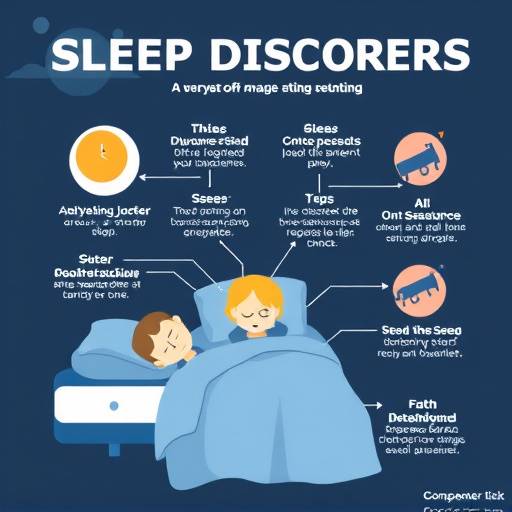
If you are consistently struggling to get adequate sleep despite practicing good sleep hygiene, you may have a sleep disorder. Some common sleep disorders include:
- Insomnia: Difficulty falling asleep, staying asleep, or both.
- Sleep Apnea: A condition in which breathing repeatedly stops and starts during sleep.
- Restless Legs Syndrome (RLS): An irresistible urge to move the legs, often accompanied by uncomfortable sensations.
- Narcolepsy: A neurological disorder that causes excessive daytime sleepiness and sudden sleep attacks.
If you suspect you have a sleep disorder, it is essential to consult with a healthcare professional. They can diagnose your condition and recommend appropriate treatment options.
Tips for a Restful Night's Sleep

Here are some additional tips to help you achieve a restful night's sleep:
- Mindfulness and Meditation: Practices like mindfulness and meditation can help quiet the mind and reduce stress, making it easier to fall asleep. There are numerous apps and online resources that offer guided meditations for sleep.
- Progressive Muscle Relaxation: This technique involves tensing and relaxing different muscle groups in your body, which can promote relaxation and reduce tension.
- White Noise: A consistent background noise can help mask distracting sounds and create a more peaceful sleep environment.
- Limit Daytime Naps: If you take naps, keep them short (20-30 minutes) and avoid napping late in the afternoon.
- Optimize Your Diet: Avoid heavy meals or sugary snacks before bed. A light snack, such as a handful of almonds or a small bowl of yogurt, may be helpful.
Consider consulting with a registered dietitian at Evergreen Health in Kirkland for personalized dietary advice to support better sleep.
Creating a Relaxing Bedtime Routine

A relaxing bedtime routine signals to your body that it's time to wind down. Here are some ideas for creating your own routine:
- Take a Warm Bath or Shower: The drop in body temperature after a warm bath or shower can promote sleepiness.
- Read a Book: Choose a relaxing book that you enjoy. Avoid reading work-related material or anything that might be too stimulating.
- Listen to Calming Music: Classical music, nature sounds, or ambient music can help you relax.
- Practice Deep Breathing Exercises: Deep breathing can help slow your heart rate and reduce stress.
- Journaling: Writing down your thoughts and feelings can help clear your mind before bed.
“Sleep is the golden chain that ties health and our bodies together.” – Thomas Dekker
Optimizing Your Sleep Environment

Your sleep environment plays a crucial role in determining the quality of your sleep. Here's how to optimize it:
- Darkness: Use blackout curtains or blinds to block out light. Consider using an eye mask if you can't completely eliminate light.
- Quiet: Use earplugs or a white noise machine to mask distracting sounds.
- Temperature: Keep your bedroom cool, ideally between 60 and 67 degrees Fahrenheit (15-19 degrees Celsius).
- Comfortable Mattress and Pillows: Invest in a comfortable mattress and pillows that support your body properly.
- Clean and Organized: A cluttered bedroom can be distracting. Keep your bedroom clean and organized to promote relaxation.
| Habit | Description | Status |
|---|---|---|
| Consistent Sleep Schedule | Go to bed and wake up at the same time every day. | ☐ |
| Relaxing Bedtime Routine | Engage in calming activities before bed. | ☐ |
| Optimized Sleep Environment | Ensure your bedroom is dark, quiet, and cool. | ☐ |
| Limit Screen Time | Avoid screens for at least an hour before bed. | ☐ |
| Avoid Caffeine and Alcohol | Limit consumption before bed. | ☐ |
| Regular Exercise | Get regular physical activity, but not close to bedtime. | ☐ |
Seeking Professional Help
If you have tried various strategies to improve your sleep and are still struggling, don't hesitate to seek professional help. A sleep specialist can conduct a thorough evaluation and recommend appropriate treatment options. The Sleep Disorders Center at Northwest Hospital & Medical Center offers comprehensive sleep services.
Remember, prioritizing sleep is an investment in your overall health and well-being. By adopting healthy sleep habits and seeking professional help when needed, you can unlock the many benefits of a restful night's sleep and enjoy a healthier, happier life.
For more information on related topics, please visit our other pages: