Understanding Stress and Its Impact

Stress is a natural part of life, but chronic stress can have detrimental effects on your physical and mental health. At Vitality Compass, based in bustling downtown Toronto, we aim to equip you with the tools and knowledge to manage stress effectively. Our team, led by Dr. Anya Sharma, a renowned stress management expert, has developed a comprehensive guide to help you navigate the challenges of modern life.
Stress manifests differently in each individual. Some might experience physical symptoms like headaches, muscle tension, or digestive issues. Others may notice changes in their mood, such as increased irritability, anxiety, or sadness. Recognizing your personal stress signals is the first step in taking control.
Here at Vitality Compass, we believe that identifying the root causes of your stress is crucial. Common stressors include work-related pressures, financial concerns, relationship difficulties, and health problems. Once you understand your stressors, you can begin to develop targeted coping strategies.
Identifying Your Stressors

Before you can effectively manage stress, you need to know what's causing it. Take some time to reflect on your daily life and identify the situations, people, or events that trigger stress. Keep a stress journal for a week, noting when you feel stressed, what you were doing, and how you reacted. This can provide valuable insights into your personal stress patterns.
- Workload: Are you constantly overwhelmed with tasks and deadlines?
- Relationships: Are there conflicts or tensions in your personal relationships?
- Financial Concerns: Are you worried about money or debt?
- Health Issues: Are you dealing with a chronic illness or injury?
- Environmental Factors: Are you exposed to noise, pollution, or other stressors in your environment?
Once you have identified your stressors, you can begin to develop strategies to address them. This may involve setting boundaries, delegating tasks, seeking support from others, or making changes to your lifestyle.
Relaxation Techniques for Immediate Stress Relief

When stress hits, it's essential to have quick and effective relaxation techniques at your disposal. These techniques can help you calm your mind and body in the moment, reducing the intensity of your stress response. We at Vitality Compass recommend the following proven methods:
Deep Breathing Exercises
Deep breathing is a simple yet powerful technique that can help you relax in seconds. Inhale deeply through your nose, filling your lungs completely. Hold your breath for a few seconds, and then exhale slowly through your mouth. Repeat this process several times, focusing on the sensation of your breath. The instructors at our Toronto wellness center, led by experienced yoga teacher Kenji Tanaka, often use this technique during classes.
Progressive Muscle Relaxation
This technique involves tensing and relaxing different muscle groups in your body, one at a time. Start with your toes and work your way up to your head. Tense each muscle group for a few seconds, and then release the tension completely. Pay attention to the difference between tension and relaxation. This can help release built-up stress and promote overall relaxation.
Mindfulness Meditation
Mindfulness meditation involves focusing your attention on the present moment, without judgment. Find a quiet place to sit or lie down, and focus on your breath, your body sensations, or the sounds around you. When your mind wanders, gently redirect your attention back to your chosen focus. Regular mindfulness practice can help you become more aware of your thoughts and feelings, and less reactive to stress.
Guided Imagery
Guided imagery involves using your imagination to create a peaceful and relaxing mental image. Close your eyes and imagine yourself in a beautiful and tranquil place, such as a beach, a forest, or a mountain top. Engage all your senses, imagining the sights, sounds, smells, and sensations of your chosen scene. This can help you escape from stressful thoughts and feelings, and promote relaxation and wellbeing.
Time Management Strategies for Reduced Stress
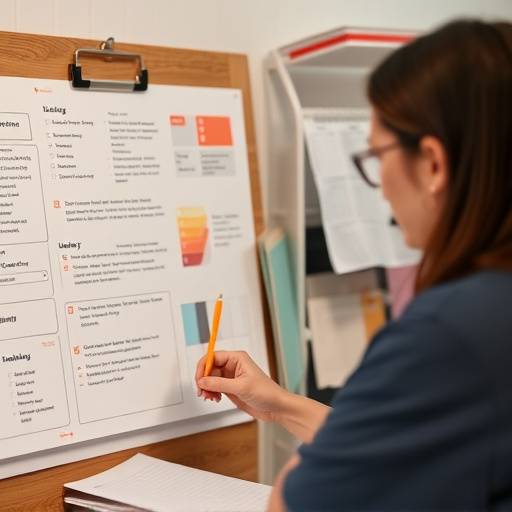
Poor time management can be a major source of stress. When you feel overwhelmed and disorganized, it's easy to become anxious and frustrated. At Vitality Compass, we offer practical time management strategies to help you take control of your schedule and reduce stress. These strategies have been successfully implemented by countless individuals in Toronto's fast-paced environment.
- Prioritize Tasks: Identify your most important tasks and focus on completing them first. Use the Eisenhower Matrix (Urgent/Important) to categorize tasks and determine their priority.
- Set Realistic Goals: Break down large tasks into smaller, more manageable steps. Avoid setting unrealistic goals that will only lead to frustration and disappointment.
- Create a Schedule: Plan your day in advance, allocating specific time slots for different tasks. Use a planner, calendar, or to-do list to stay organized.
- Delegate Tasks: If possible, delegate tasks to others. This can free up your time and reduce your workload.
- Avoid Procrastination: Tackle tasks head-on, rather than putting them off until the last minute. Procrastination only increases stress and anxiety.
- Take Breaks: Schedule regular breaks throughout the day to relax and recharge. Even short breaks can make a big difference in your productivity and stress levels.
Building a Strong Support System

Having a strong support system is crucial for managing stress and maintaining mental wellbeing. Connecting with others can provide emotional support, reduce feelings of isolation, and offer different perspectives on your challenges. We at Vitality Compass encourage you to cultivate meaningful relationships with family, friends, and colleagues.
- Talk to Someone You Trust: Share your feelings and concerns with a trusted friend, family member, or therapist. Talking can help you process your emotions and gain new insights. Our team of licensed therapists, including Sarah Chen, offers confidential counseling services at our Toronto location.
- Join a Support Group: Connect with others who are experiencing similar challenges. Support groups provide a safe and supportive environment to share your experiences and learn from others. Vitality Compass hosts several support groups for individuals dealing with stress, anxiety, and depression.
- Volunteer Your Time: Helping others can boost your mood and reduce stress. Volunteering provides a sense of purpose and connection to your community. Toronto has numerous volunteer opportunities, ranging from local food banks to environmental organizations.
- Spend Time with Loved Ones: Make time for enjoyable activities with family and friends. Laughter, connection, and shared experiences can help you relax and recharge.
Healthy Coping Mechanisms for Long-Term Wellbeing

Developing healthy coping mechanisms is essential for managing stress in the long term. These are proactive strategies that you can incorporate into your daily life to build resilience and reduce your vulnerability to stress. Vitality Compass promotes the following healthy coping mechanisms:
- Regular Exercise: Physical activity is a powerful stress reliever. Exercise releases endorphins, which have mood-boosting effects. Aim for at least 30 minutes of moderate-intensity exercise most days of the week. The fitness experts at our Toronto studio can help you create a personalized exercise plan.
- Healthy Diet: A balanced diet provides your body with the nutrients it needs to function optimally. Avoid processed foods, sugary drinks, and excessive caffeine, which can exacerbate stress. Focus on whole foods, such as fruits, vegetables, whole grains, and lean protein. Visit our nutrition page for delicious and healthy recipes.
- Adequate Sleep: Sleep deprivation can significantly increase stress levels. Aim for 7-8 hours of quality sleep each night. Create a relaxing bedtime routine to promote restful sleep. Consult our sleep guide for effective sleep hygiene tips.
- Mindfulness Practices: Incorporate mindfulness practices into your daily routine. Even a few minutes of mindfulness meditation each day can help you become more aware of your thoughts and feelings, and less reactive to stress.
- Hobbies and Interests: Engage in activities that you enjoy and that bring you joy. Hobbies and interests provide a sense of purpose and can help you disconnect from stress. Whether it's painting, gardening, reading, or playing music, make time for activities that nourish your soul.
Resources and Support
Vitality Compass is committed to providing you with the resources and support you need to manage stress and live a healthier, happier life. Visit our website at vitalitycompass.ca or call us at 416-555-WELL (9355) to learn more about our programs and services. Our office is located at 123 Wellness Way, Suite 400, Toronto, ON M5G 2H6.
You can also reach out to the Canadian Mental Health Association (CMHA) at cmha.ca or call their Toronto branch at 416-789-7957 for additional mental health support.
Remember, you are not alone. With the right tools and support, you can effectively manage stress and thrive.