Achieving Work-Life Harmony: Your Guide to a Balanced Life
In today's fast-paced world, finding a healthy balance between work and personal life can feel like an impossible task. At Vitality Compass, we understand the importance of this balance for your overall well-being. This guide provides practical strategies and tips to help you create a fulfilling and sustainable work-life balance.
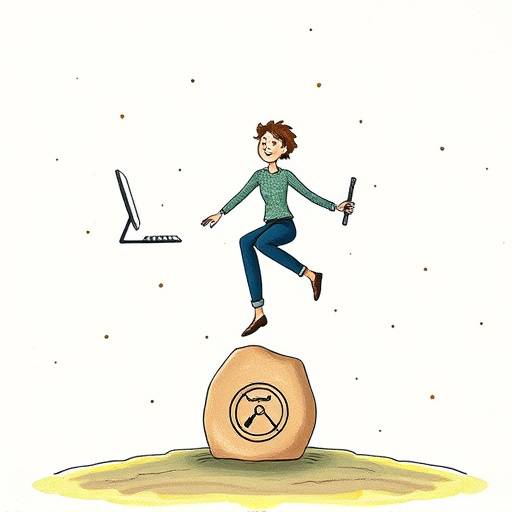
Understanding the Importance of Work-Life Balance
Work-life balance isn't just about having more free time; it's about creating a sustainable lifestyle that supports your physical, mental, and emotional health. When you prioritize work-life balance, you can reduce stress, prevent burnout, improve relationships, and increase overall happiness.
- Reduced Stress: Balancing work and personal life can significantly lower stress levels.
- Burnout Prevention: Making time for yourself can prevent burnout.
- Improved Relationships: Investing time in your relationships can improve them.
- Increased Happiness: Finding time for hobbies and relaxation leads to increased happiness.
Time Management Strategies for Work-Life Balance
Effective time management is crucial for achieving work-life balance. Here are some strategies to help you make the most of your time:
- Prioritize Tasks: Use the Eisenhower Matrix (urgent/important) to prioritize tasks and focus on what truly matters.
- Set Realistic Goals: Set achievable goals for each day and week.
- Use Time-Blocking: Allocate specific time blocks for different activities, including work, family, hobbies, and relaxation.
- Avoid Multitasking: Focus on one task at a time to increase efficiency and reduce errors.
- Take Breaks: Schedule regular breaks throughout the day to rest and recharge.
Setting Priorities and Boundaries
Setting clear priorities and boundaries is essential for protecting your time and energy. Learn to say no to commitments that don't align with your values or goals.
- Identify Your Priorities: Determine what's most important to you in both your work and personal life.
- Set Boundaries: Establish clear boundaries between work and personal time, such as turning off work notifications after hours.
- Delegate Tasks: Delegate tasks at work or home to reduce your workload and free up time.
- Communicate Your Needs: Communicate your needs and boundaries to your colleagues, family, and friends.
Preventing Burnout: Self-Care is Key
Burnout is a state of emotional, physical, and mental exhaustion caused by prolonged or excessive stress. Practicing self-care is essential for preventing burnout and maintaining a healthy work-life balance.
- Get Enough Sleep: Aim for 7-8 hours of quality sleep each night.
- Eat a Healthy Diet: Nourish your body with wholesome foods to fuel your energy levels.
- Exercise Regularly: Engage in physical activity to reduce stress and improve your mood.
- Practice Mindfulness: Take time to practice mindfulness or meditation to calm your mind and reduce anxiety.
- Engage in Hobbies: Make time for activities you enjoy, such as reading, gardening, or playing a musical instrument.
Creating a Flexible Work Schedule
A flexible work schedule can help you better manage your time and balance your work and personal life. Explore options such as telecommuting, flexible hours, or job sharing.
- Telecommuting: Work from home or another remote location to reduce commute time and increase flexibility.
- Flexible Hours: Adjust your start and end times to better accommodate your personal needs.
- Job Sharing: Share a full-time position with another employee to reduce your workload and increase free time.
- Discuss Options with Your Employer: Talk to your employer about flexible work arrangements that could benefit both you and the company.

Making Time for Hobbies and Relaxation
Hobbies and relaxation are essential for maintaining a healthy work-life balance. Engaging in activities you enjoy can reduce stress, improve your mood, and increase your overall well-being.
- Schedule Leisure Activities: Block out time in your schedule for hobbies and relaxation.
- Explore New Interests: Try new activities to discover new passions and expand your horizons.
- Connect with Loved Ones: Spend quality time with your family and friends.
- Unplug from Technology: Take breaks from technology to disconnect and recharge.
Case Study: Sarah's Journey to Work-Life Harmony
Sarah, a marketing manager at "Synergy Solutions" in Seattle, Washington, struggled with work-life balance for years. Working long hours, she neglected her health and personal relationships. After attending a Vitality Compass workshop, she implemented strategies like time-blocking, delegating tasks, and prioritizing self-care. She also started working from home two days a week. Sarah now enjoys more time with her family and has significantly reduced her stress levels. Her productivity at work has also increased, proving that work-life balance is not just a personal benefit but also a professional advantage.

Expert Advice on Maintaining Work-Life Balance
"Work-life balance is not a myth; it's a conscious choice. It requires setting boundaries, prioritizing self-care, and understanding that your well-being is just as important as your professional success." - Dr. Emily Carter, leading wellness consultant at Vitality Compass.
Additional Resources
For more information and support on achieving work-life balance, explore the following resources:
- Stress Management - Learn techniques for managing stress and preventing burnout.
- Mental Health - Discover strategies for improving your mental and emotional well-being.
- Exercise - Find tips and resources for incorporating regular physical activity into your routine.
- Nutrition - Learn about healthy eating habits to fuel your body and mind.
The Role of Employers in Promoting Work-Life Balance
Employers play a crucial role in supporting their employees' work-life balance. Companies that prioritize employee well-being often see increased productivity, reduced absenteeism, and higher job satisfaction. Creating a supportive work environment is beneficial for both employees and the organization.
- Flexible Work Policies: Offering flexible work options like telecommuting and flextime.
- Wellness Programs: Implementing wellness programs that focus on physical and mental health.
- Employee Assistance Programs (EAPs): Providing confidential counseling and support services.
- Promoting a Healthy Work Culture: Encouraging employees to take breaks, use their vacation time, and disconnect after work hours.
Work-Life Balance Resources Comparison
| Resource | Description | Key Features | Pricing |
|---|---|---|---|
| Vitality Compass | Comprehensive guide to healthy living, including work-life balance. | Personalized advice, expert articles, community support. | Free |
| TimeTracko | Time tracking and productivity tool. | Task management, team collaboration, detailed reports. | $19.99/month |
| Headspace | Meditation and mindfulness app. | Guided meditations, sleep stories, stress management tools. | $12.99/month |
| BetterUp | Personalized coaching platform. | One-on-one coaching, customized plans, progress tracking. | Contact for pricing |